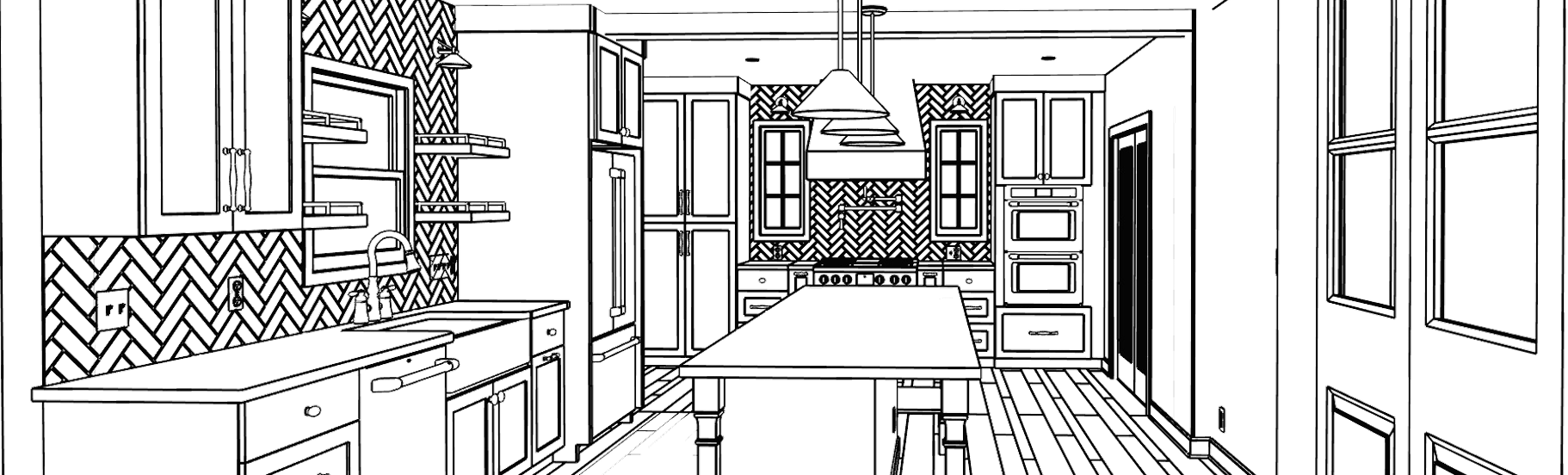
Should I Move, Remodel, or Build?
It’s a conversation we have with clients frequently. Your current home isn’t working. You’re frustrated with the layout; it’s too small, the finishes drive you crazy, or you’re looking for something completely different altogether. Regardless, you’re realizing it’s come down to this decision: “Should I move, remodel, or build?”
The answer to this question will depend on hundreds of factors, but there’s one clear place to start.
Start with Location
Area: Are you close to work, school, friends, and activities you enjoy around the Upstate? Do you have good access to highways, airports, or the amenities you need? Is traffic tolerable?
Neighborhood: Is it a well-established community with mature trees and sidewalks? Do you like your neighbors? Does the neighborhood have a pool or other amenities you’d miss if you moved?
Lot: Is your yard serving you well? Not too big to maintain or too small for your needs? Is this the right location within the neighborhood?
If the answer to most of these questions is “yes”, consider how ideal your current situation is. Unless you can move within your neighborhood or find a similar neighborhood with a better-suited home, you should consider Remodeling as your first choice. Retaining an ideal location has incredible value, especially if your home is paid off or you've locked in a low interest rate.
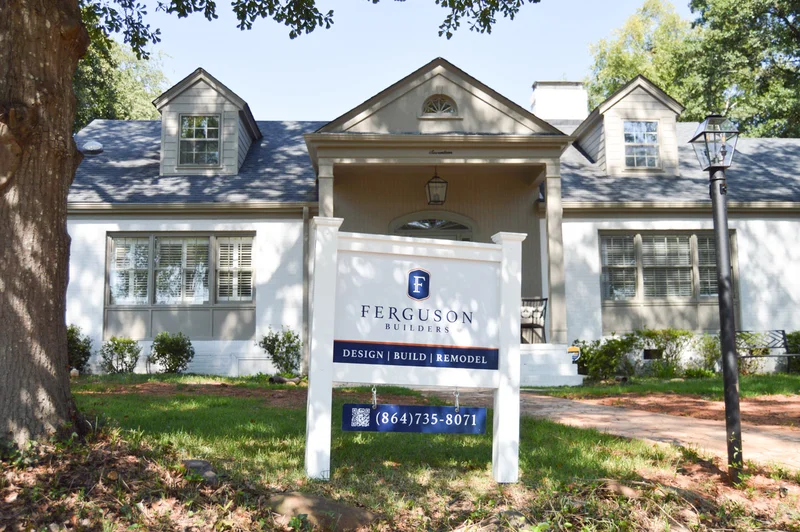
The BENEFITS of Remodeling An Existing Home
Live close to town – Good lots are extremely hard to acquire anywhere near Greenville proper. If you want to live in Greenville (or already do), you’ll have an easier time finding an existing home to remodel than a lot to build on.
Get into your ideal neighborhood – Remodeling unlocks opportunities in locations where there are no move-in-ready homes or vacant lots available.
Preserve the story – Remodeling allows you to preserve the story of the original home, whether it has design features you love, old hardwoods/millwork, or is a family property passed down through generations.
Avoid a move – If you want to remodel your current home, you may be able to live in the home during the project and avoid the hassle of moving out during the project, depending on the scope of work.
It can be more cost-effective – Remodeling allows you to keep existing spaces and materials that are still in good condition, rather than starting from scratch. With the rising costs of building materials and services like plumbing, electrical work, grading, landscaping, and concrete, working with an existing structure can be a more cost-effective option.
What if most of your answers about location were “no”? If you don’t love your current location, moving is in your future—whether you find an existing home that suits your needs (or can be remodeled) or decide to build a Custom Home.
The Benefits of Building a Custom Home
A completely custom design – This is truly the biggest advantage, and it makes all the difference in the world. Even with the most elaborate remodel, some changes are simply cost-prohibitive. With a custom home, we’re starting from scratch, designing the layout around how you live and all the features you want to include!
Reduced maintenance – With brand-new plumbing, HVAC, and electrical systems, you will have very few repairs over the next 10-20 years, giving you peace of mind.
Energy efficiency – Construction science is constantly evolving and improving. Quality builders are constructing homes with better energy efficiency than ever before!
Insurance perks – In most cases, home insurance premiums are lower for newer homes because they carry less risk of leaks and repairs.
Is Building or Remodeling Faster?
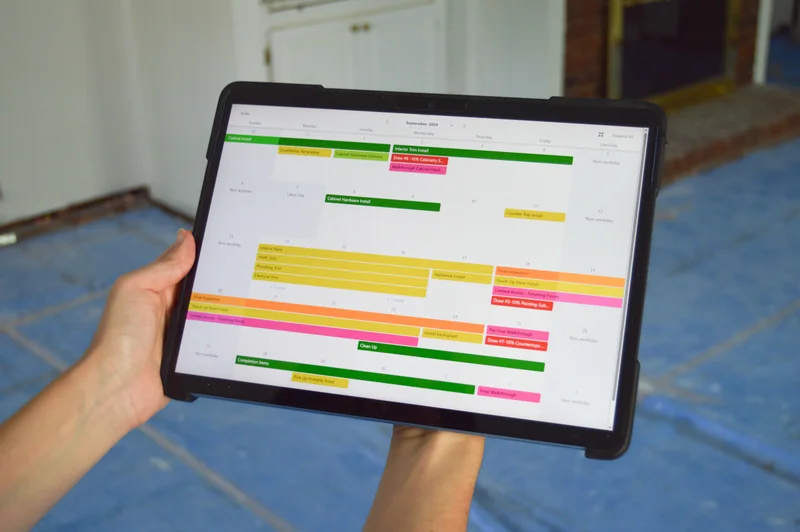
Any build or remodel will take significant time to plan and complete. Large-scale remodels and additions can take 8 months – 1.5 years from planning through completion. However, Custom homes typically take much longer, averaging 1.5 – 3 years from planning through completion. Building a custom home also requires more time and energy in the planning phase, as you have limitless design options, which multiplies the number of decisions you need to make.
Is Building or Remodeling More Expensive?
Which option costs less has constantly shifted over the years. During periods of high interest rates, like the late 70s and early 80s, remodeling was the clear budget choice. As the Upstate exploded in the 90s, land costs shot up, making custom builds the higher-investment route. Today, high land and site prep costs generally keep new construction more expensive, though there’s still plenty of overlap depending on your square footage and finishes.
Cost Breakdown Example
To illustrate this, consider someone whose goal square footage is 3,500 square feet.
Buy & Remodel: Let’s say you buy a 2,500-square-foot home with good bones for $500,000. You can add a 1,000-square-foot addition ($300,000-$600,000), remodel the kitchen ($100,000-$200,000), and all bathrooms ($150,000-$300,000), bringing your total cost to somewhere between $1.2M-$1.5M+.
Building: A custom 3,500-square-foot home can cost $1.75M+ when you include lot clearing, landscaping, a driveway, and a garage. Read our blog on the Cost of Building a Custom Home for more information on the financials behind new construction.
Need to Talk It Through?
Choosing between moving, remodeling, or building isn’t just a construction choice—it’s a major life decision. Our Project Planners bring deep expertise in custom construction and are well-versed in local real estate trends. We can help you evaluate your home's current equity, compare market options, and model real numbers for your budget. Contact Us to talk through the best long-term strategy for your home and family.