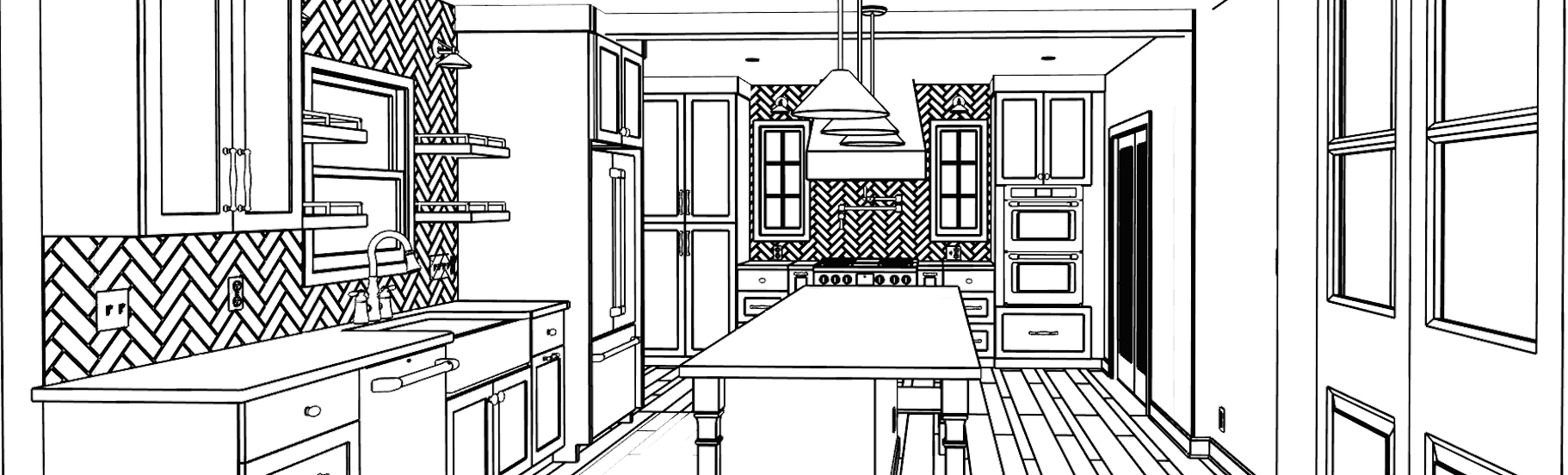

How to Elevate Your Home with Texture
Want to subtly elevate a space in your home? There are 7 core elements of design (line, shape, form, color, texture, value, and space. Texture is one of the more often forgotten, but might just be exactly what you’re missing.
When you walk into a room that incorporates texture, the space immediately feels more intentional. You may not be able to pinpoint exactly why, but the variation in surfaces adds depth and dimension that draws you in. Texture is a powerful design element because it creates visual interest while still functioning as a neutral. It strikes the perfect balance between bold patterns that can sometimes overwhelm a space and flat neutrals that can leave it feeling lifeless.
As a Design-Build Team, we’re here to help you design a space with this level of detail from the start. Our design team helps our clients create homes that feel warm, curated, and intentional. Here are just a few examples of ways we’ve incorporated texture in recent projects!
Adding Texture to Cabinetry
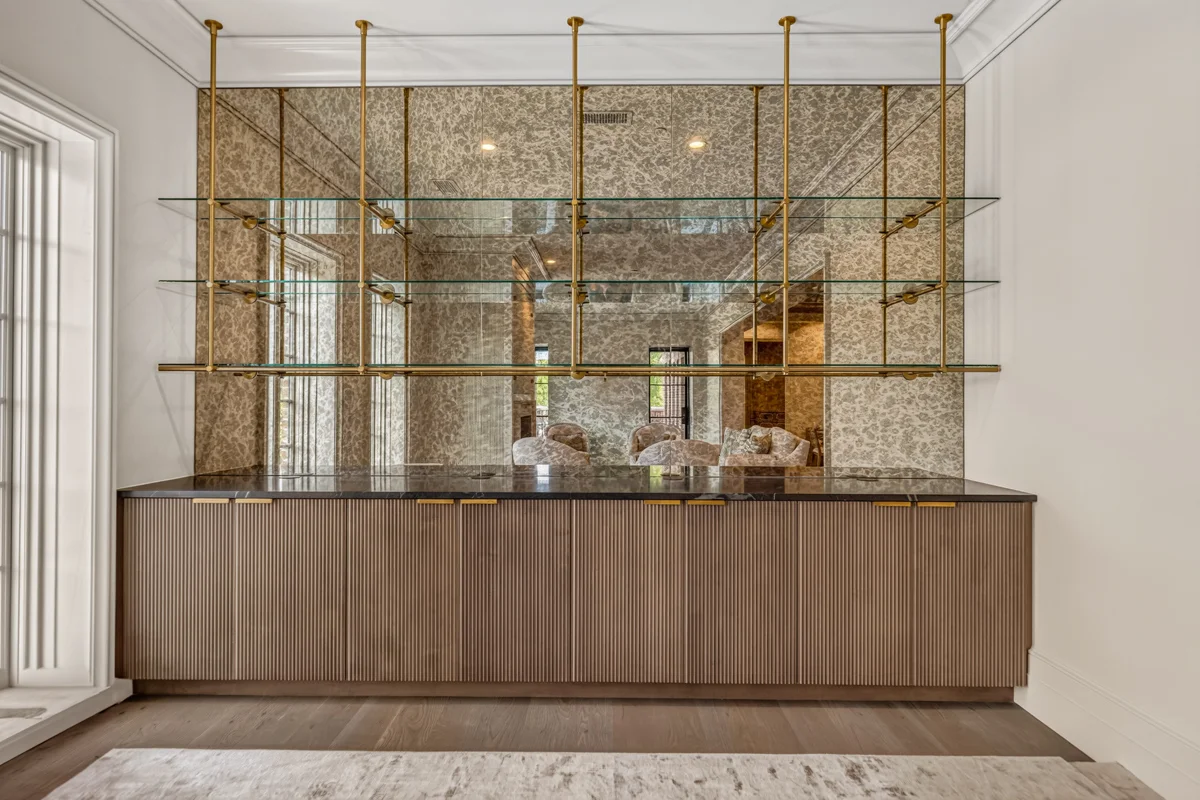
While painted cabinetry is still the go-to choice for many Kitchens and Bathrooms, we’re seeing more homeowners gravitate toward wood finishes for the natural texture and warmth they bring. Another way to introduce texture is through rounded grooves in the cabinet surface, known as fluting when the grooves are concave and reeding when they are convex. This type of detailing creates subtle shadows and dimension, adding a linear rhythm that feels both calming and visually interesting.
Incorporating Texture on Walls
Walls often get overlooked, even though they are typically the largest visual surface in a room! Adding texture to your walls can completely transform a space and create interest without relying on bold color or pattern. Grasscloth, wood slat paneling, and exposed materials like brick or stone are all great ways to bring depth and character to an otherwise flat surface.
Grasscloth
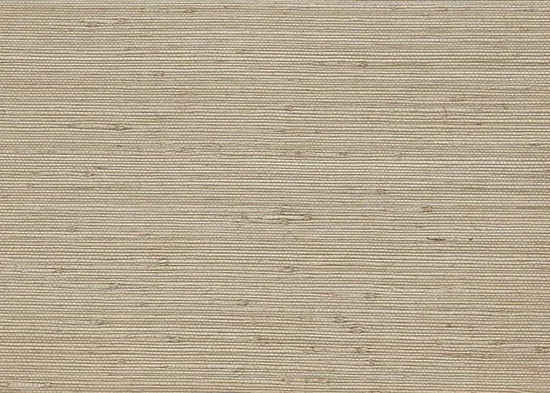
Unlike traditional wallpaper, grasscloth is made of natural plant fibers, giving it tangible texture and organic variation. Each panel is unique, and the visible seams are an intentional part of its character rather than something to hide. Because of its natural composition, grasscloth requires professional installation and proper care to protect the plant fibers and keep it looking beautiful over time.
Wood Slat
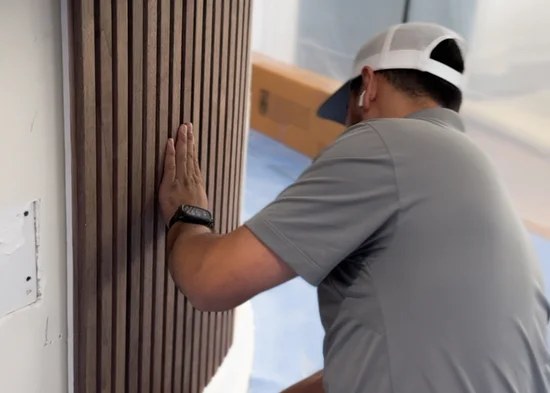
Wood slat panels are a modern wall treatment often seen in spas, hotels, and other high-end spaces. Bringing this detail into your home can create that same elevated, serene feeling while adding natural warmth, texture, and dimension to the room.
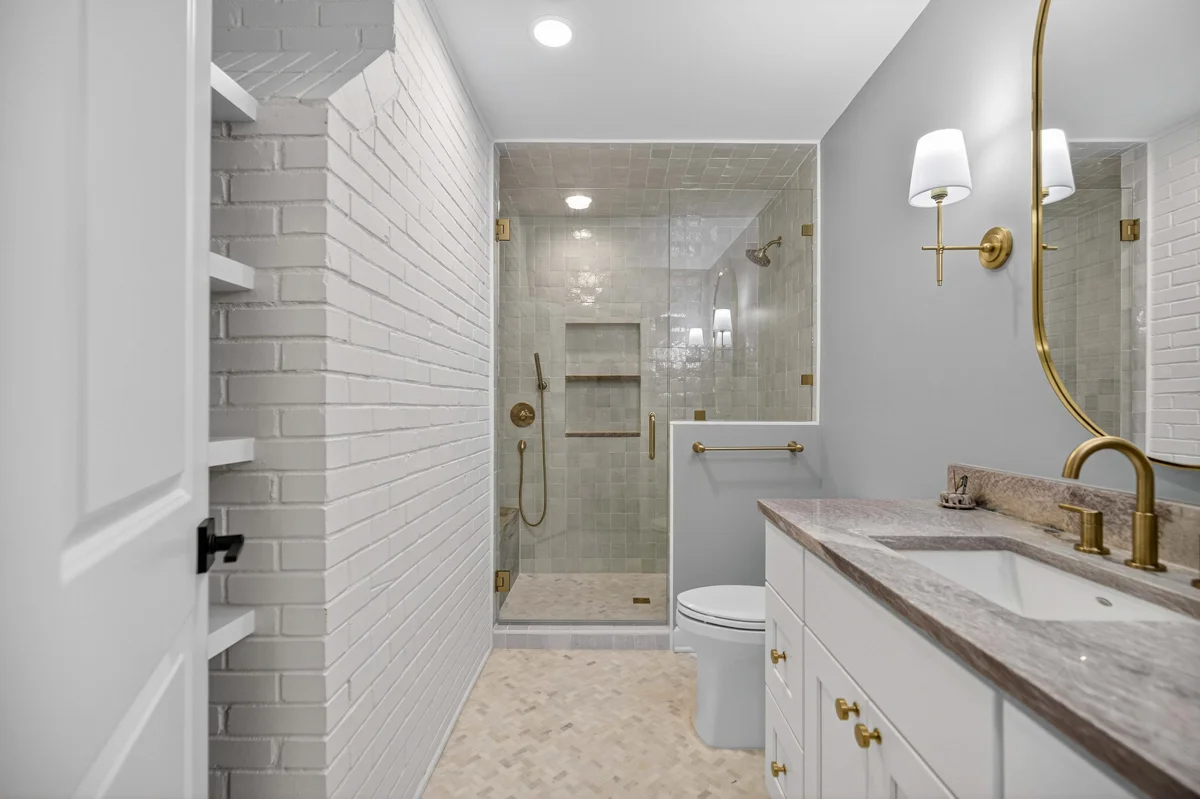
Exposed Materials
Over the past several decades, modern construction has increasingly favored mass-produced materials over the character and craftsmanship of handmade ones. While these materials offer plenty of benefits, they can sometimes lack the variation and authenticity found in materials like brick. In this Home Addition Project, we preserved the exterior brick wall, allowing it to become a beautiful architectural detail within the new space.
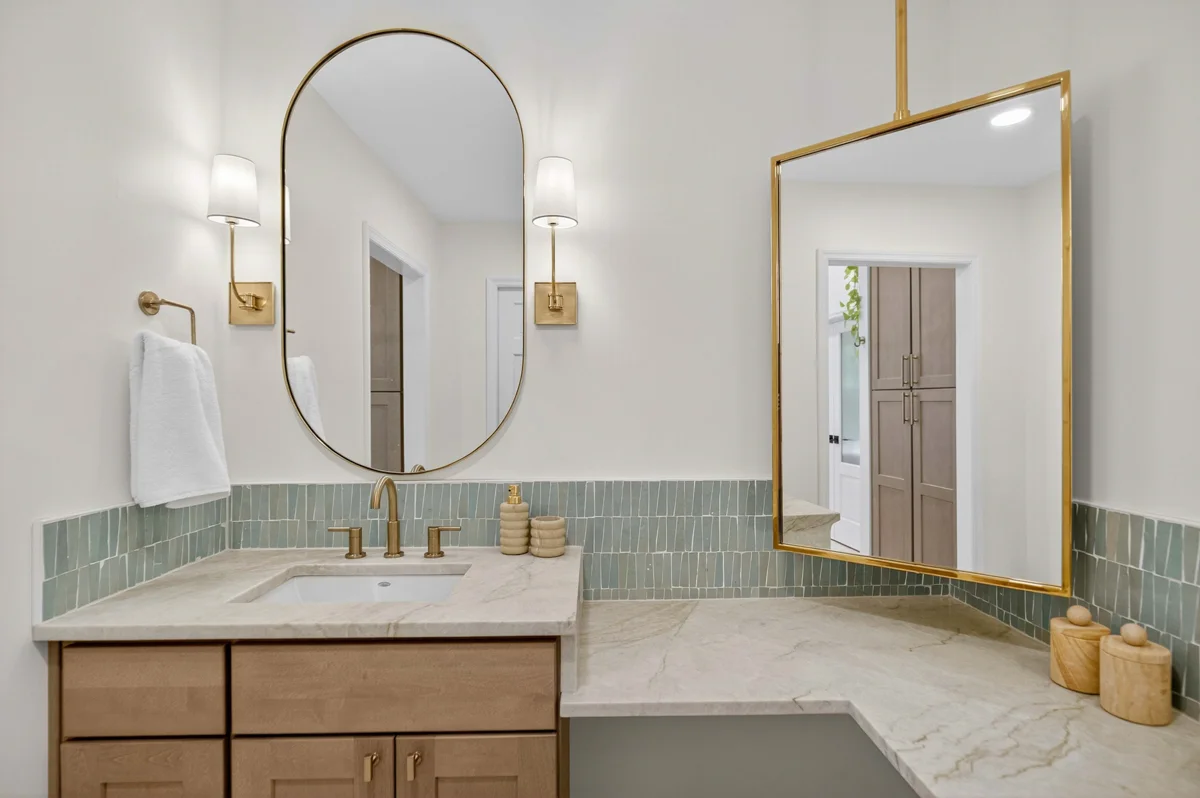
Tile Textures & Finishes
As tile has become easier to mass-produce, perfectly uniform options have become widely available. Now, luxury kitchen and Bathroom Design Trends are shifting in the opposite direction towards handmade materials that celebrate natural variation and craftsmanship. Handmade and natural tiles bring subtle imperfections, movement, and texture that give a space more character.
There are countless ways to introduce texture through tile:
Material – look into natural stone, like marble, where veining and tonal variation make every piece unique.
Size – Play with scale, from intricate mosaics made up of tiny pieces to oversized 24" x 48" tiles with fewer grout lines.
Surface – Explore the handmade textures of Zellige tile, known for its uneven surfaces and irregular edges that give it its old-world feel, or incorporate a brick-inspired tile for added dimension.
Finish – Consider how matte, honed, polished, and glazed finishes interact with light and play with combining different finishes to change the overall feel of the material.
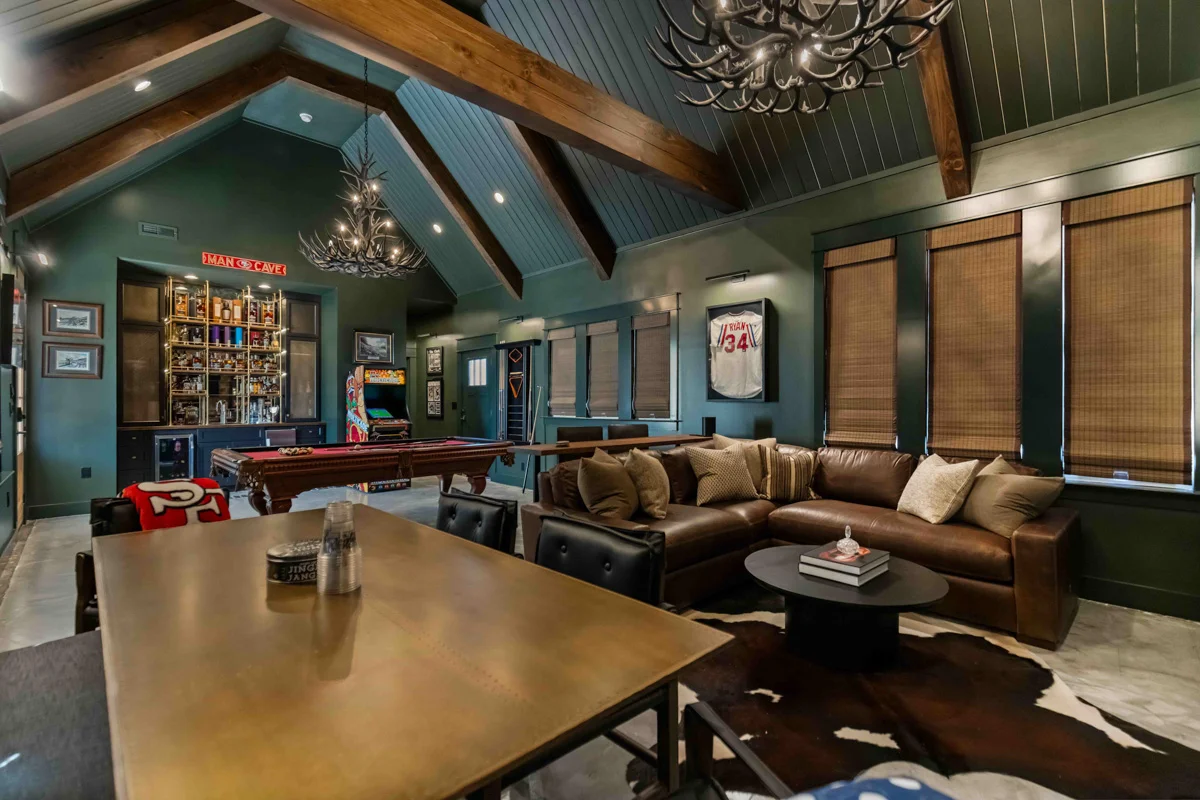
Texture in Furnishings & Accents
Texture isn’t limited to permanent finishes and architectural applications. Furnishings are one of the easiest ways to layer texture into a space. Every item, from pillows and curtains to rugs and light fixtures, offers an opportunity to introduce a unique finish, natural material, or an unexpected texture that adds depth and personality to the room.
Take Your Home to the Next Level
Creating a home that feels layered, intentional, and uniquely yours is easier with an experienced team by your side. At Ferguson Builders, our design team can help you thoughtfully incorporate materials, finishes, and details that elevate your home and bring your vision to life. Contact Us today to start exploring what’s possible in your space!