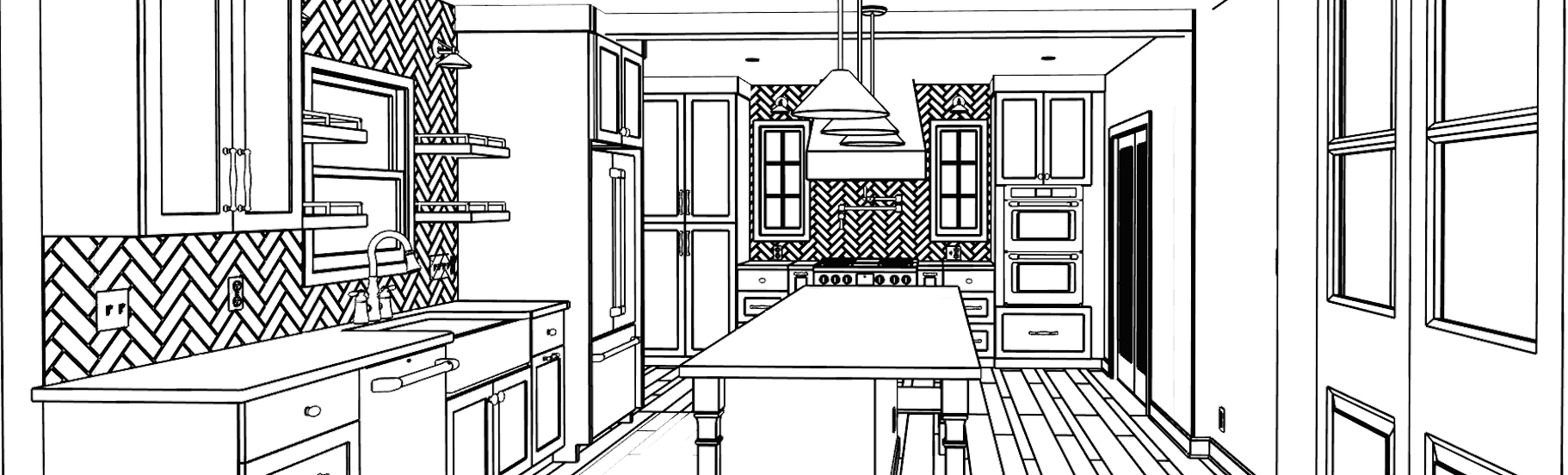

Guide to Buying an Older Home in Greenville, SC
If you’re buying an older home in Greenville, SC, this guide is for you! Having remodeled hundreds of homes across the Upstate, we understand both the appeal of owning an older home and the potential challenges. If you’re moving to Greenville and considering a home built in the 1990s or earlier, let us help guide you through this important decision.
Pros of Buying an Older Home in Greenville
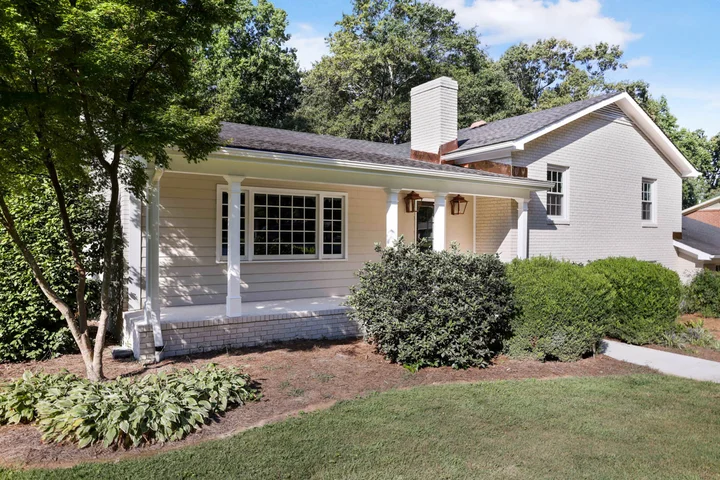
We’re passionate about the character found in older homes: the brick fireplaces, the beautiful millwork, even the quirky layouts and colors. Here are just a few reasons many folks appreciate historic homes in our area:
Charm – Here in the upstate, there are many mill communities built in the 40s/50s which have a ton of character. In suburbs like Taylors and Easley, you’ll find classic 70s/80s ranch-style homes with their own mid-century style. Further out in Greer and Simpsonville, large brick homes built in the 80s/90s have a rom-com vibe. There’s a lot of personality in the architecture of each decade!
Good Bones – In many cases, older homes were built with more durable materials. For example, brick is very expensive to build with now, but before the 2000s, it was fairly standard. Today, brick cladding costs 2-3 times more than other materials. Other examples include denser framing lumber, real hardwood floors, and full masonry fireplaces.
Established Neighborhoods – You’ll notice that some of Greenville’s best neighborhoods are well-established, built 20-30+ years ago. Communities like Augusta Road, Chanticleer, Sugar Mill, and others feature large lots, wide sidewalks, and mature landscaping. In sought-after neighborhoods like these, buying an older home (even with its problems) is a great investment.
Attainable Prices – While older homes in Greenville definitely hold their value, the number of repairs needed might discourage other buyers and let you secure a great location at a reasonable price. Save up for renovations or repairs down the road, or consider remodeling before moving in!
Quaint Floorplans – Lately, some folks are shifting away from wide-open floor plans and looking for more designated spaces and “cozy” rooms. If this is your vibe, you’ll find that many homes built before the 90s already have this type of floorplan – no adaptations necessary!
Cons of Buying an Older Home in Greenville
Is an old home right for you? As much as we love our older Greenville homes, they do come with maintenance considerations. Here are things to help you determine if an old home is the right fit!
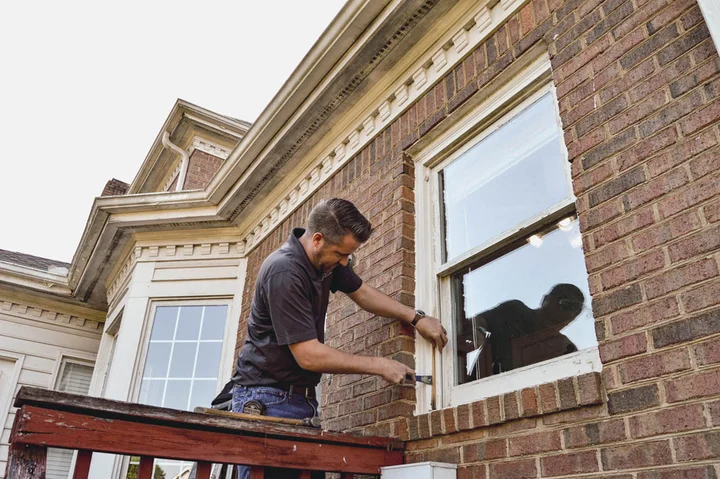
Remodeling Needs – Unless the home has already been updated, you’ll likely need more than a fresh coat of paint. Kitchen Remodels, Bathroom Remodels, and other home projects can become very stressful if you don't have the funds for repairs and updates.
Health Concerns – Greenville is notorious for pollen, and older homes can be prone to moisture problems and draftiness. If you or a family member has respiratory issues, you may need to invest in significant renovations to make the home airtight and improve its air quality.
Minimal Storage – You may notice that many older homes have smaller closets, less cabinetry, and sometimes even missing linen closets. These can be added, but it’s another added cost to keep in mind.
Closed Floor Plans – Smaller rooms, narrower doorways, and fewer open areas are common. While some homeowners love the charm, others may want structural work done to create open layouts, which comes with a price tag.
Home Inspection Red Flags
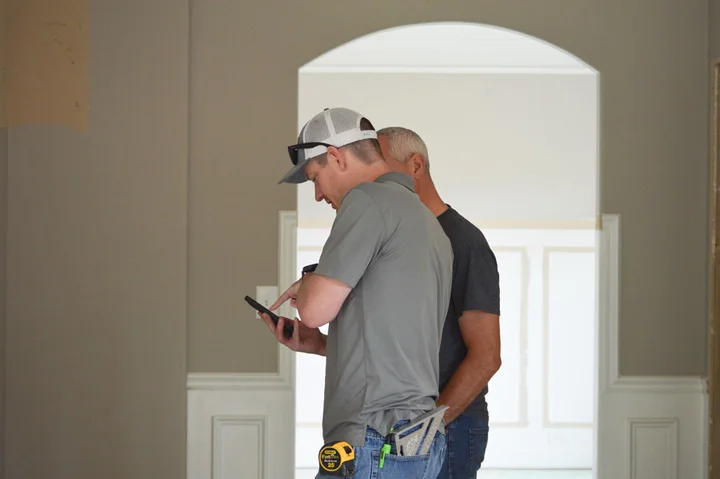
We believe any house can be brought back to life through a Custom Builder like Ferguson Builders. However, there are some major red flags that should raise concerns during a home inspection if you don’t have an unlimited budget. These aren’t always deal breakers, but you should explore them to understand the severity of the issue.
Worn-Out Systems/Materials – HVAC, water heaters, siding, roof, and windows may need replacement if they haven’t been updated.
Moisture & Mold – Watch for high humidity in the home, musty odors, or visible, dark spots of mold. These can indicate a serious moisture problem that could require remediation.
Outdated Electrical – Your home inspection report will tell you if the electrical system is up to date – this is something to pay attention to. Often, electrical panels are undersized for modern demands.
Plumbing Issues – Pipes can corrode, clog, sag, or even be penetrated by tree roots. Watch for galvanized steel, lead, or brittle CPVC pipes.
Foundation Problems – Make it a point to look for uneven floors and cracks around windows, doorways, and the exterior foundation. These are not issues to overlook; foundation repairs can be some of the most expensive!
Termite Damage – It’s important to hire a professional to inspect for termites. These pests can cause extensive structural damage that is often hidden beneath the surface.
Asbestos – Found in roofing, siding, flooring tiles, and textured ceilings. Undisturbed asbestos is safe, but demolition can make it dangerous if fibers become airborne.
Common Problems by Decade
Galvanized Steel & Lead Plumbing – Pipes prone to corrosion, clogs, and reduced water pressure
Knob-and-Tube Electrical – Exposed wiring and outdated circuits are common
Minimal Insulation & Drafty Windows – Homes were built with little to no insulation and single-pane windows, making it costly to control inside temperatures
Aluminum Wiring – Can oxidize and pose a fire risk if connections aren’t properly maintained
Early CPVC Plumbing – Pipes from this period can become brittle or develop leaks over time
Single-Pane Windows & Warped Frames – Windows often fail or stick due to aging materials
Brittle CPVC Piping – Older CPVC can crack, especially around fittings
Early Double-Pane Windows – Some windows may have failing seals, causing condensation and reduced insulation
Textured/Popcorn Ceilings – Some ceilings may contain asbestos in homes built in the early 1980s
Greenville Buyers Be Aware
While modern code requirements have been in place for years, Greenville County has been fairly lax in enforcement until recently. This means very outdated systems may still exist in some homes. The county may require updates even if you’re only pulling a permit for another project. Unexpected costs like this can quickly increase your project's budget by $3,000–$10,000+.
Focus on the Big Picture
While these issues may exist in older homes, it’s rare for a house to have all of them. A thorough home inspection can help you understand the necessary repairs, but you’ll need to find a reputable, Licensed Contractor to determine the actual costs. You should consider lumping the cost of the remodel with the mortage in a 203k Loan, or opting for a more cost-effective Remove & Replace Remodel. Often, the seller is willing to adjust the price to cover essential updates. If you love the house and the neighborhood, it’s likely worth the investment!
Needing a Remodeler?
So you’ve fallen in love with an old home in Greenville, SC, and it needs some updates. What’s the next step? Contact us! We often work alongside your real estate team (realtor, lender, and home inspector) to find just the right solution for clients with particular requirements.
By bringing in a trusted builder early on, you’ll get answers to your questions and move forward confidently. With our team’s experience, we can preserve the character of an older home while making it safe and comfortable for years to come.